From Havan Smoke to Vastu Stones: Balancing Tradition and Safety
Many Indian families do Vastu fixes (house design rules) or home rituals (pooja, havan) hoping for good luck and harmony. This section discusses the cultural importance and claimed benefits of these practices, the scientific view (belief vs evidence), and family guidance on deciding what to do safely and affordably.
What Are Vastu and Rituals?
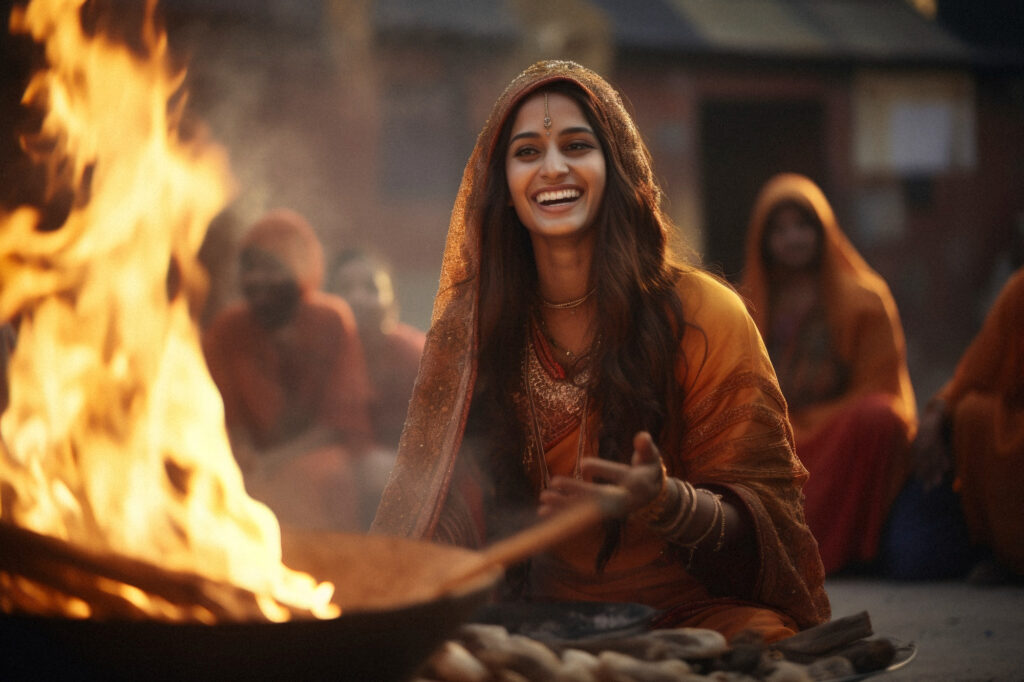
Vastu Shastra is an ancient “science of dwelling” in Hindu tradition, prescribing how buildings should be aligned with nature’s elements (earth, water, fire, air, space). For example, it suggests placing the prayer room in the northeast or building entrances in certain directions. Many believe proper Vastu brings health and prosperity. Likewise, religious rituals like puja (worship ceremonies) or havan (fire rituals) invoke spirituality at home. A havan involves offering ghee and grains into a sacred fire while chanting mantras (see image caption below). Families have performed these for centuries, in hope of “cleansing negative energies” and inviting blessings.
Belief vs. Evidence
It’s important to understand that scientific evidence for Vastu or havan is limited. Mainstream research doesn’t support supernatural effects. However, some argue psychological or health angles: for instance, the smoke from a havan contains compounds from burning herbs – some claim mild antiseptic benefits (though this is not medically confirmed). More robust findings are on social impact: sociologists note that family rituals, regardless of religion, strengthen family bonds and shared values. One study found that regular religious or cultural practices give families structured time together, improving emotional connections and coping with stress. In that sense, doing a puja or veneration together can increase harmony at home even if tangible “magic” isn’t at play.
From a counselling standpoint, we recommend balancing respect for tradition with safety and facts. If grandparents feel peace after a pooja, that’s real value. But families should be mindful: large havans involve fire hazards, and extensive home renovations for Vastu (like knocking walls) can be costly and risky.
Cultural Importance and Practices
Many Indians grow up observing these customs. For example, on Diwali families do Lakshmi puja, on housewarming (Griha Pravesh) they may adjust Vastu. According to interviews, people often decide on rituals by discussing among elders: “Will this bring our family closer? Are we just spending money?” Safety checks are key: use a professional priest for large fires, keep extinguishers and ensure children and pets are away. Simple home prayers are low-cost and risk-free.
Family Counselling Tone
We encourage families to discuss and decide together. Tips for such decisions. Open Dialogue : Ask children how they feel about rituals. If they see poojas as bonding time, that is positive. If they feel bored or scared, consider simplifying. Respect Belief : Even if one person is skeptical, allow everyone their beliefs. Choose rituals that don’t harm (e.g. a small incense, charity donation in someone’s name, etc.). Set a Budget : Prevent overspending on astrology/Vastu fixes. Agree on a limit for any ceremony or renovation. Safety First : For havan or temple puja at home, place fire safely, keep water/ash nearby, and never leave a fire unattended. Ensure good airflow to avoid excessive smoke inhalation. Modern Alternatives : Some families do spiritual music (bhajans) or meditation instead of fire rituals, to reduce smoke yet keep the ritual spirit.
Conclusion (Rituals)
Ancient practices like Vastu or havan carry cultural significance and can give families a sense of order and purpose. Studies show they help keep families united. Yet it’s wise to stay practical: don’t let fear of “bad luck” override common sense. A balanced approach respects heritage while keeping the home safe and budget-friendly.